
The Employer’s Guide: Mastering the Helper Interview
Finding the right helper is about more than just reviewing a bio-data; it is about finding a personality and skill set that aligns with your home’s unique rhythm. To ensure a successful match, your preparation and the quality of your interview questions are key.
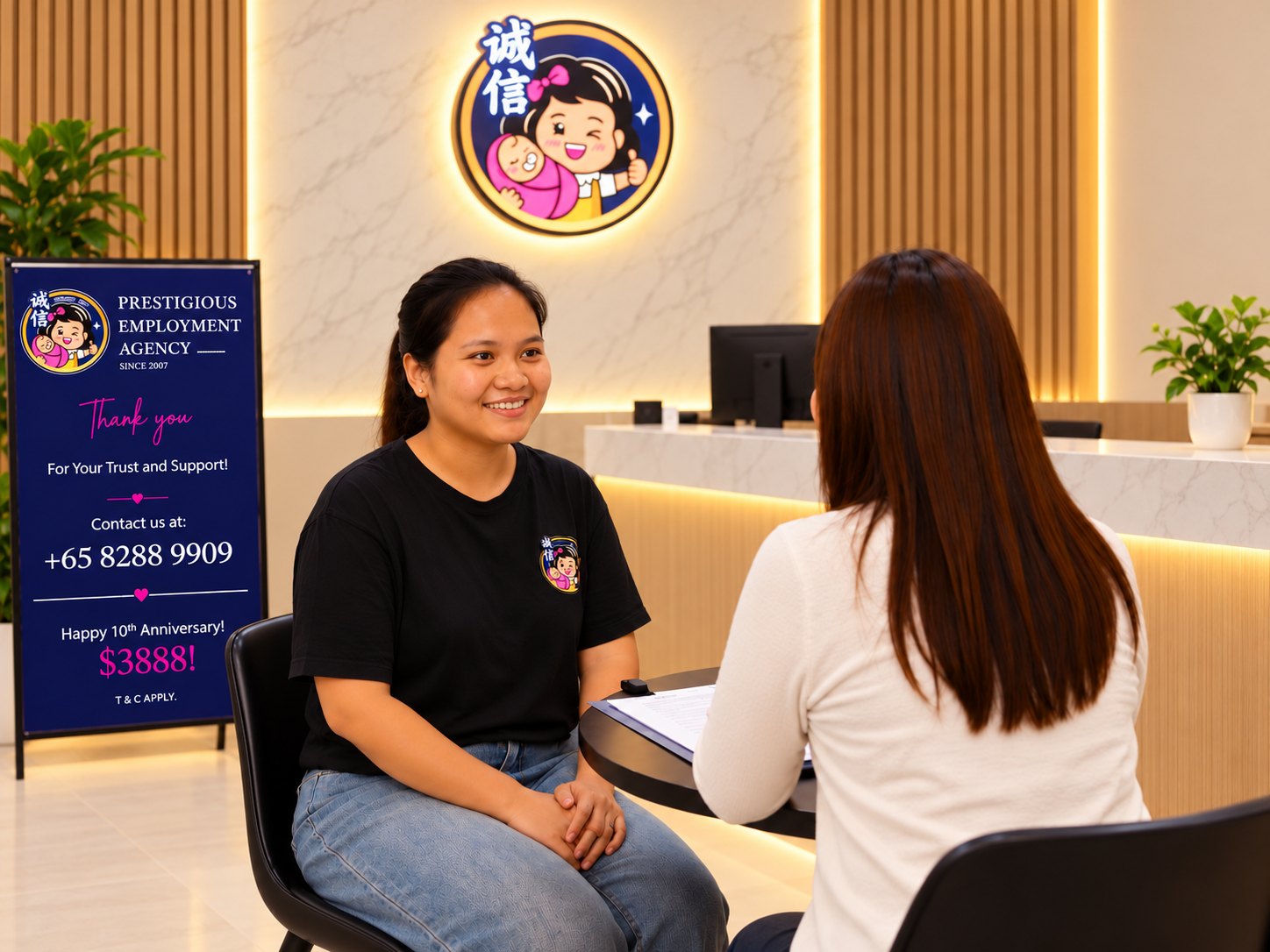
Phase 1: Preparation is Your Foundation
Before you begin the interview process, you must have a clear vision of your household’s requirements. A well-prepared employer is more likely to find a long-term match.
Define Your Priorities:
Create a list of “must-haves” versus “nice-to-haves.” Are you looking for a culinary expert, a patient caregiver for a newborn, or someone who excels at deep cleaning?
Map Out Your Home:
Be ready to describe the physical environment. Mention the number of storeys, rooms, and toilets. A helper needs to know the scale of the maintenance required.
Introduce the Family Members:
Clearly state the number of adults, children, and pets. Crucially, highlight if any family members require specialized medical or developmental care.
Establish the “House Rules”:
Prepare to share your standards for hygiene, general dos and don’ts, and cultural or health-related preferences. Explaining the why behind these rules helps build mutual respect from day one.
Phase 2: Essential Interview Questions
The interview is your opportunity to look beyond the paperwork and assess critical thinking and compatibility.
- Past Experience and Practical Skills
“Tell us about your previous roles. What were your primary responsibilities?”
What to look for: Listen for specific details about their comfort level with children, elderly care, or complex cooking. Reviewing past employment records and references during this stage provides insight into their adaptability and how they managed tasks in different environments.
- Conflict Resolution and Critical Thinking
“How do you handle challenging situations or disagreements within a household?”
What to look for: Use situational questions to assess their problem-solving abilities. Their capacity to stay calm and resolve issues tells you if they can maintain harmony in your home. Pay attention to their body language—it often speaks as loudly as their words.
- Motivation and Commitment
“What motivates you to work as a domestic helper, and what are your long-term goals?”
What to look for: Understanding their “why” helps you gauge their enthusiasm and likelihood of a long-term commitment. A candidate with clear goals is often more dedicated to their current role.
- Adaptability to Routines
“Are you comfortable following specific instructions and strict household routines?”
What to look for: Every home has a different pace. You need to know if the candidate is willing to adhere to your specific guidelines or if they prefer to work with minimal supervision.
- Safety and Hygiene Standards
“What is your understanding of food safety and disinfection practices in a home?”
What to look for: This evaluates their commitment to a secure environment. A competent helper should be aware of potential risks and be dedicated to maintaining high cleanliness standards for your family’s health.
- Transparency Regarding Commitments
“Do you have any personal commitments or constraints that might affect your work availability?”
What to look for: Clarifying family duties or external responsibilities helps set realistic expectations for both parties. It ensures a smoother integration into your household and helps with long-term labor planning.
Phase 3: Assessing the "Soft Skills"
As the interview progresses, focus on how they manage the flow of conversation.
Time Management:
Ask how they prioritize tasks during a busy day. You want to hear that they can handle pressure without compromising the quality of their work.
Two-Way Communication:
Always ask, “Do you have any questions for me?” A candidate who asks about your family’s specific needs or the job scope demonstrates genuine interest and a proactive mindset.
Clarity and Respect:
Observe their communication style. Are they clear, respectful, and open about their concerns? This is the best indicator of how you will communicate during their employment.
The Final Step
Once you have found the right candidate, the next priority is ensuring their welfare and your protection. This includes facilitating the necessary work permit processing and securing comprehensive insurance coverage to safeguard both your family and your new helper throughout the employment period.